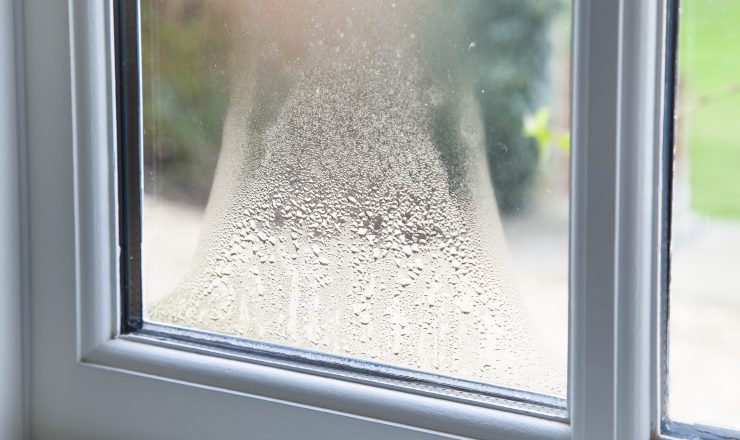
Foggy Glass Repair: Understanding Causes, Solutions, and Maintenance
Foggy glass can be a frustrating problem, whether it's in your vehicle, home windows, or shower doors. This phenomenon is primarily triggered by moisture trapped between two panes of glass, resulting in condensation. Gradually, Window Condensation Repair lessens aesthetic appeals but can also hinder exposure in vehicles and trigger unpleasant living environments. This post will offer thorough insights into the causes of foggy glass, possible repair techniques, maintenance suggestions, and some frequently asked questions.
Comprehending the Causes of Foggy Glass
Foggy glass generally occurs in double-paned windows or insulated glass units (IGUs). Understanding the source is essential in determining the right repairs. The main factors to foggy glass consist of:
- Seal Failure: Over time, the seals that hold the 2 panes of glass together can weaken, permitting moist air to go into and form condensation.
- Temperature level Fluctuations: Changes in temperature level can result in condensation, specifically if the inner pane is considerably cooler than the external pane.
- Humidity: High humidity levels can increase the possibility of condensation, particularly in locations like restrooms and kitchens.
- Poor Installation: If windows are not set up properly, it can jeopardize the stability of the seals, resulting in fogging.
- Aging: As windows age, the materials can break down, contributing to seal failure and fogging.
Table 1: Common Causes of Foggy Glass
| Trigger | Description |
|---|---|
| Seal Failure | Deterioration of seals resulting in moisture ingress. |
| Temperature Fluctuations | Condensation due to temperature level inconsistencies. |
| Humidity | Increased moisture levels adding to fogging. |
| Poor Installation | Inaccurate setup jeopardizing seal stability. |
| Aging | Natural deterioration of materials over time. |
Repairing Foggy Glass
Repair techniques for foggy glass can differ based upon the seriousness of the issue and the kind of glass involved. Here are some common repair approaches:
1. Defogging Services
- Professional services use specialized tools to remove the fog by drilling small holes in the window frame and using a vacuum to extract moisture.
2. Replacement of Sealed Units
- If the seals are compromised, changing the entire insulated glass unit is frequently the most efficient option.
3. Do it yourself Solutions
- Some property owners may attempt DIY approaches, such as:
- Using a hairdryer on a low setting to get rid of minor condensation.
- Applying anti-fog solutions available in hardware shops.
- Explore desiccant packs to take in moisture.
4. Window Films
- Applying window films can help in reducing condensation by producing an extra barrier versus humidity.
5. Ventilation Improvements
- Enhancing ventilation in locations susceptible to high humidity (like kitchens and restrooms) can substantially reduce fogging.
Table 2: Repair Options for Foggy Glass
| Repair Method | Advantages | Disadvantages |
|---|---|---|
| Defogging Services | Reliable and customized | Can be costly |
| Replacement of Units | Long-lasting solution | Needs professional setup |
| Do it yourself Solutions | Cost effective, available | Might not provide irreversible results |
| Window Films | Reduces condensation | Can block views |
| Ventilation Improvements | Prevents future fogging | May require substantial changes |
Upkeep Tips to Prevent Foggy Glass
Preventative procedures can significantly lower the chances of encountering foggy glass. Below are some maintenance suggestions to think about:
- Regular Inspections: Periodically inspect your doors and windows for indications of wear and tear or seal degradation.
- Preserve Humidity Levels: Use dehumidifiers in damp areas and encourage excellent air flow.
- Tidy Thoroughly: Use mild glass cleaners to keep panes clean, which can help minimize the perceived fog.
- Sealant Maintenance: Regularly check and change caulking or sealants around windows.
- Buy Quality Windows: If windows are old or poorly built, think about investing in high-quality double- or triple-paned windows with energy-efficient coatings.
Foggy glass might be bothersome, but understanding its causes, repair options, and maintenance practices can empower property owners and car owners to tackle this problem effectively. Regular care and prompt repairs can ensure that glass stays clear and functional, offering both aesthetic beauty and safety.
FAQs
Q1: How can I tell if my window seal is broken?
A: Look for signs of condensation in between the panes of glass, blurred views, or sudden temperature level modifications inside your home.
Q2: Can I repair foggy glass myself?
A: While some small fogging can be attended to with DIY methods, considerable fogging typically needs professional assistance for effective repair.
Q3: Is foggy glass covered by property owners' insurance coverage?
A: Coverage differs by policy; it's suggested to contact your insurance coverage provider to comprehend your particular coverage regarding window repair.
Q4: Why do dual-pane windows fog up more than single-pane windows?
A: Dual-pane windows are designed with airspace in between the panes for insulation; if the seals stop working, it traps moisture causing fogging, unlike single-pane windows which do not have this airspace.
Q5: What should I do if my vehicle windows are misting up?
A: Use your cars and truck's defroster settings, make sure proper ventilation, and consider using anti-fogging sprays created for automobile use.
By being informed about foggy glass concerns and solutions, homeowners and car owners can maintain the clearness and performance of their glass surfaces, boosting both convenience and security.